
Article
Pre-Purchase vs Pre-Sale Building Inspections: What’s the Difference?
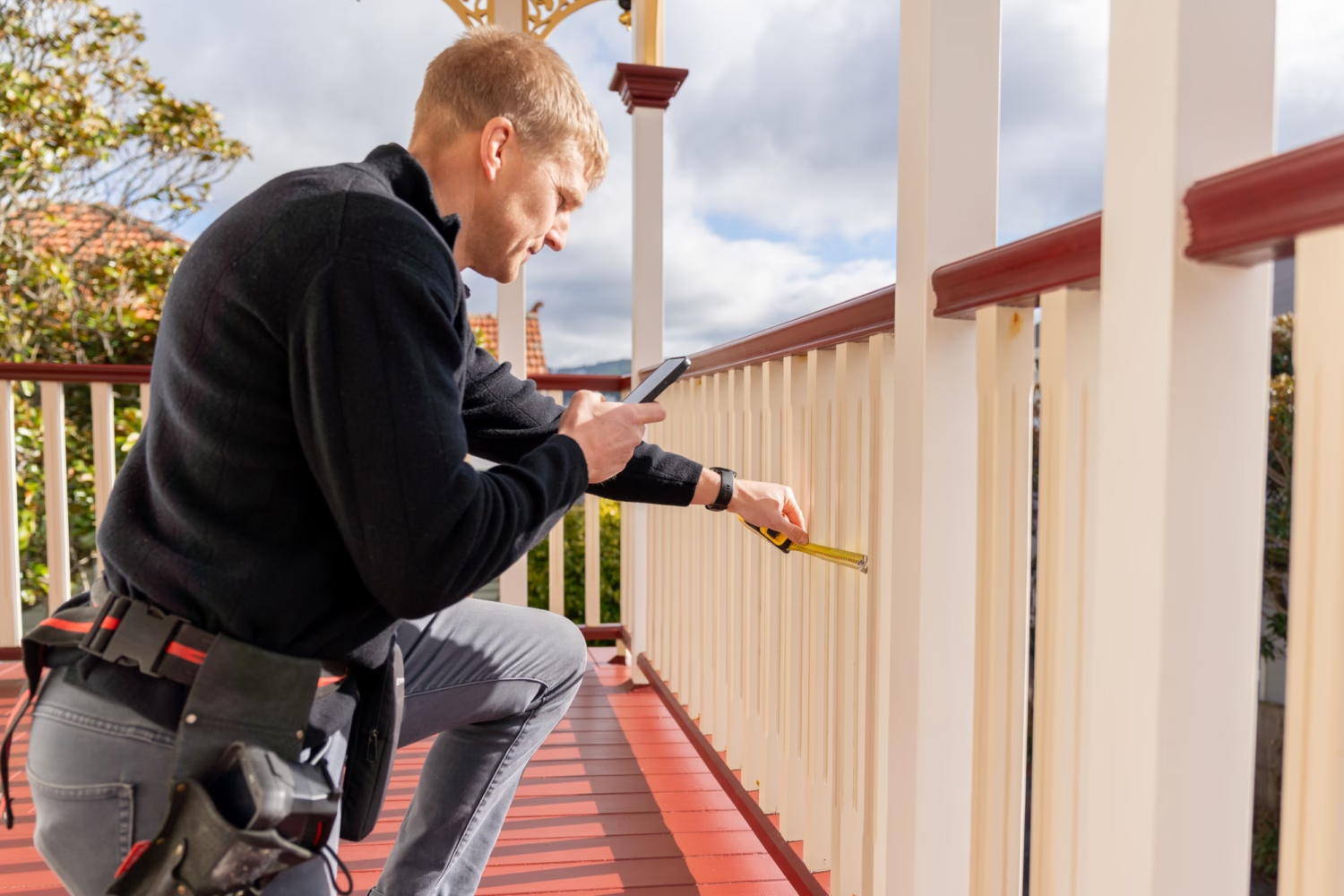
Pre-Purchase vs Pre-Sale Building Inspections: What’s the Difference?
If you’ve started looking into building inspections, you’ve probably noticed there isn’t just one type. The two you’ll come across most often are Pre-Purchase building inspections and Pre-Sale building inspections, and while they both report on similar things, they’re built for two very different moments in the property process.
Here’s how to tell them apart, and how to know which one you need.
Pre-Purchase Building Inspection: For Buyers
A Pre-Purchase building inspection is for anyone making an offer on, or about to purchase, a property. It’s the report that tells you what you’re actually buying, not just what the listing photos show you.
Our inspectors go through the property in detail, including non-invasive moisture testing, the roof and roof space, exterior cladding and joinery, sub-floor and foundations, electrical and plumbing, and every interior space from the kitchen to the bathrooms. Site features like garages, decks, fencing and driveways get checked too.
Many banks and insurers will ask for one before they’ll lend on a property, but honestly that’s not the only reason to get one done. The real reason is peace of mind. You’re about to make the biggest financial commitment most people will ever make, and a proper inspection means you’re doing it well-informed about your potential purchase.
Pre-Sale Building Inspection: For Sellers
A Pre-Sale building inspection flips the timing. Instead of being commissioned by the person buying, it’s commissioned by the person selling before the property ever goes on the market.
It covers the same core areas as a pre-purchase inspection, plus decks, balconies, patios and drainage, giving you a full and honest picture of your property’s current condition before you go to market.
Knowing what’s actually going on with your property before you list it means you can price it realistically from day one, and deal with anything that needs addressing on your own terms rather than having it surface mid-negotiation. Nobody wants a surprise showing up in a buyer’s own report after you’ve already accepted an offer.
So Which One Do You Need?
If you’re buying, it’s a Pre-Purchase building inspection. If you’re selling, it’s a Pre-Sale building inspection. Most people end up getting both over the life of owning a home, a pre-purchase inspection when they buy, and a pre-sale inspection years later when they come to sell that same property.
Either way, the point is the same: know what you’re dealing with before you commit to anything, rather than finding out after settlement.
Why It Matters Who Does the Inspection
Not all building inspections are equal. A report is only as good as the person writing it, and plenty of companies use inspectors whose main trade is something else entirely, with building inspections as a side job.
Every CheckHome inspector is a licensed, qualified builder or tradesperson. That’s the difference between a report that ticks a box and one that actually tells you the truth about a property, in plain language you can understand and trust.
Ready to Book?
Whether you’re buying or selling, our team can have a report in your hands within 24 hours of the inspection. Book now or get in touch with your local CheckHome team to find out more.
Recent Posts
View all
Pre-Purchase vs Pre-Sale Building Inspections: What’s the Difference?
Why Get a Building Inspection on a New Build?